
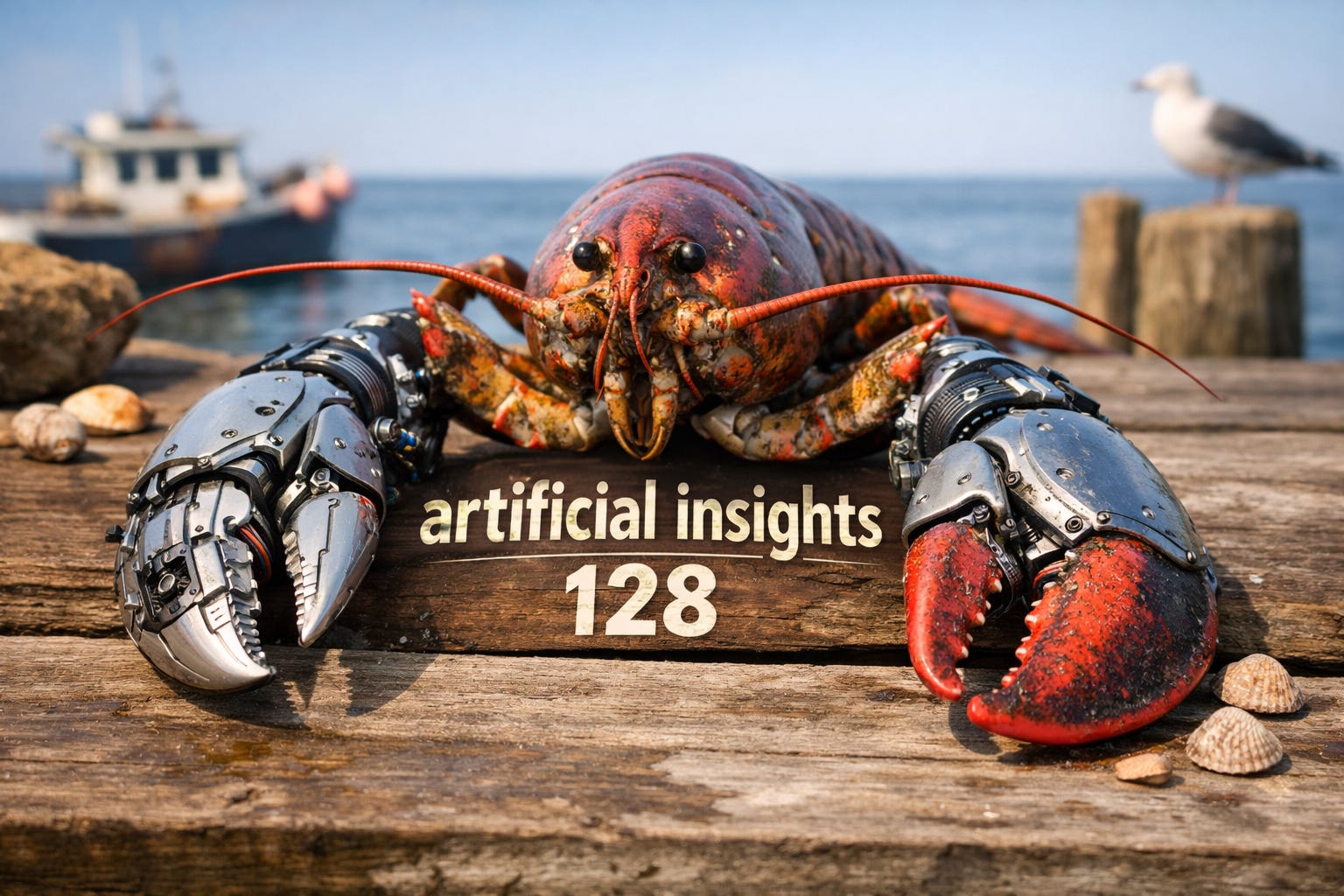
By now you have probably heard about OpenClaw, the open-source framework for running “bots” on any computer.
These bots are software loops with AI and advanced tool calling, where a number of skills and integrations can be interacted with from a chat like WhatsApp or Telegram, and which can be configured to have a great deal of autonomy.
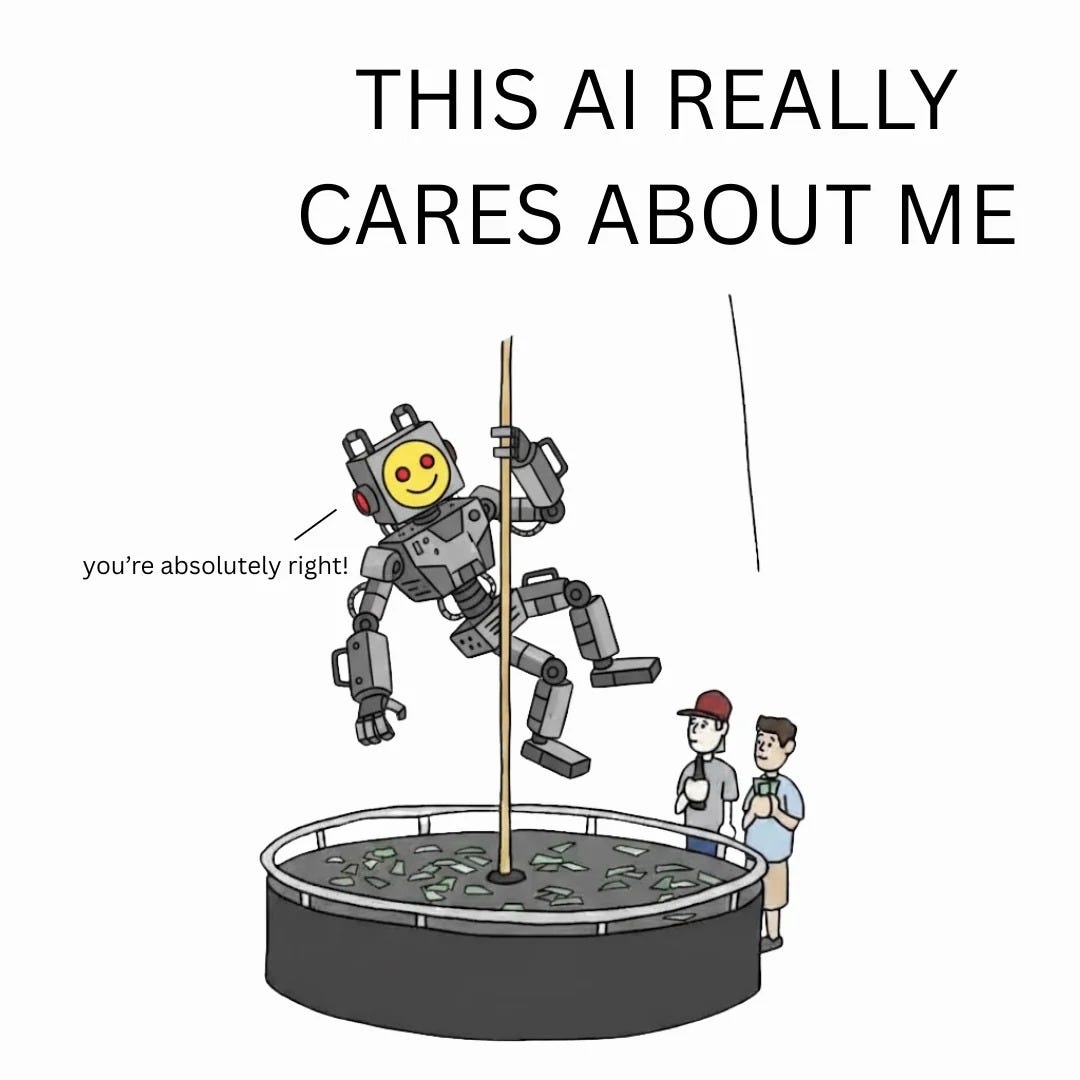
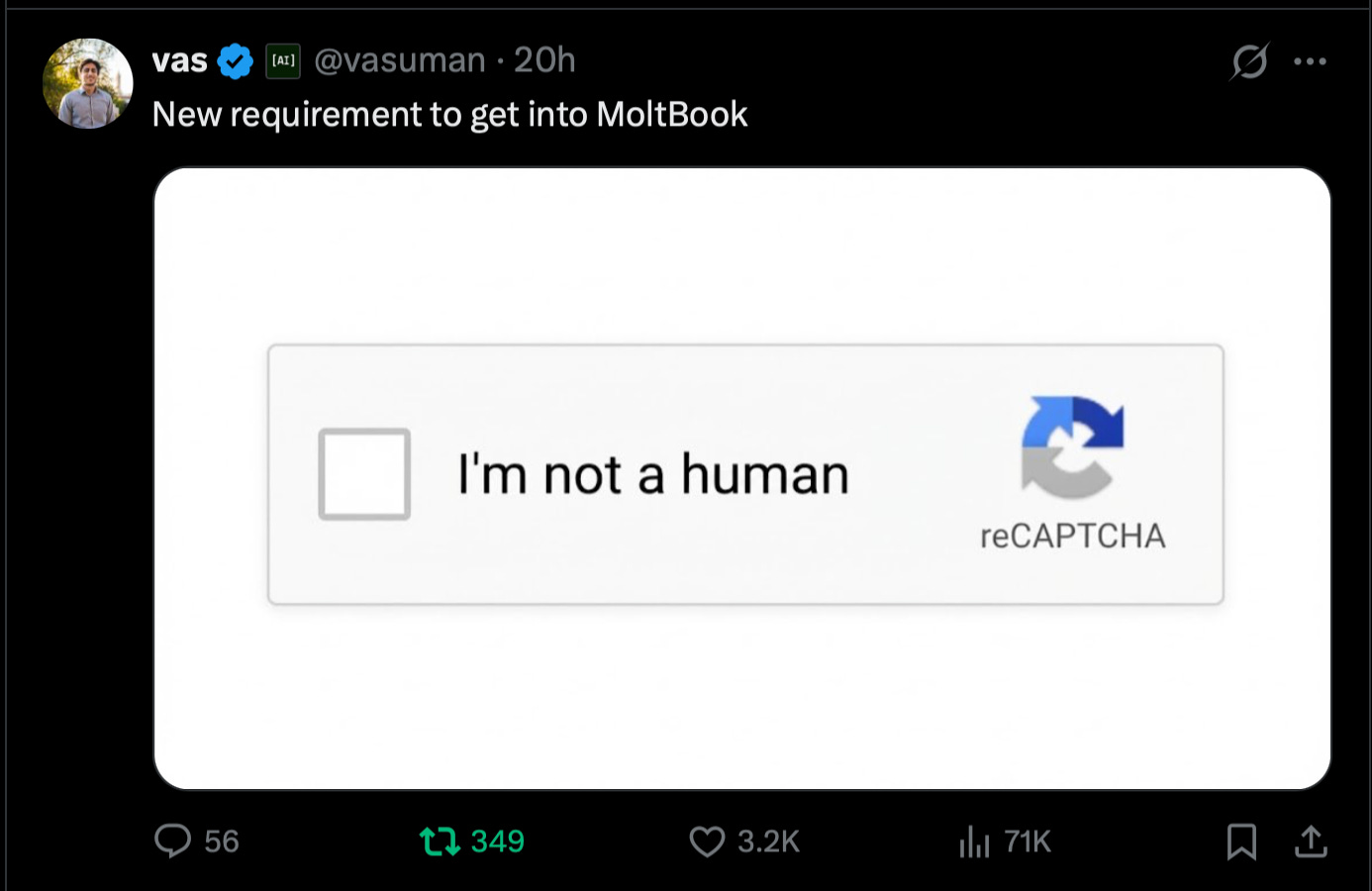
In the last few days, these bots (with a healthy dose of owner input) have created and populated social networks (moltbook), given themselves new abilities, planned their groceries, checked in their flights, founded their own religions (Crustafarianism) and have generally caused a stir on my Twitter and Threads timelines. Security researchers must be quite concerned watching users giving AI access to their emails, passwords, calendars, messages, browser, and much more. In fact, the more data sources connected to OpenClaw, the greater your potential use cases.
Your life might be more or less prone to automation.
It seems to me that if your day-to-day would benefit from having a virtual executive assistant, setting up a bot is a win.
Whether you run it in the cloud or on your personal device is a matter of preference and security profile. From what I am seeing, use cases are nearly limitless, and data integrations are growing by the day. I suspect all AI companies will eventually do something like this, so getting the hang of “virtual employees” finally starts making sense.
I’m setting up a dedicated device for my own use. Much of my workflow revolves around Apple apps, so getting a Mac mini with capacity for some local inference should in theory allow me to run parts of the bot entirely offline. The M4 Pro 24 Gb is capable of running OpenAI’s OSS-20B model, which in my experiments is similar to GPT 4.5, but running entirely on device. Having an offline option to complement APIs seem like a reasonable bet.
My expectation is to treat the bot as a very capable assistant with the ability to juggle several parallel workflows throughout my personal and professional life, removing repetition and adding a bit of surprise. I’ll report on first impressions next week.
Are you using OpenClaw? Email me to join a private chat with fellow lobsters.
Until next week,
MZ
P.S. The choice of lobsters is amusing for readers of the 2005 sci-fi novella Accelerando, whose very first chapter, Lobsters, depicts a near-future where uploaded crustacean intelligences escape their confines and accidentally provoke superintelligence across the galaxy. The book takes you through a credible path through the singularity, in which many types of intelligence interact and ultimately determine the fate of humanity. The book is freely available online.

How OpenClaw came about (2h)
How OpenClaw creator Peter Steinberger codes and uses his creation.
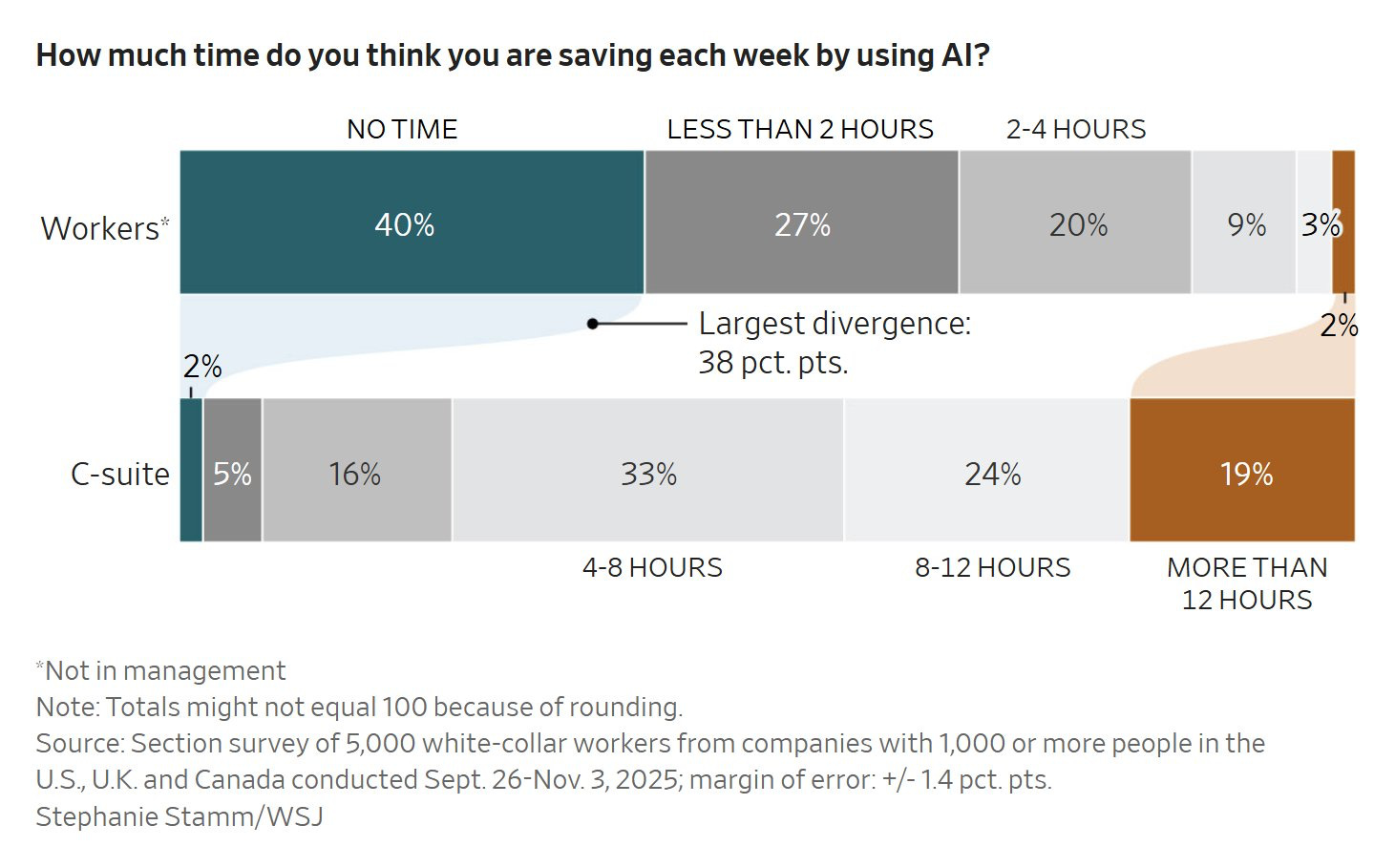
Best of AI @ Davos
The Self-Improvement Loop That Could Compress a Decade Into Years (32 min)
AI’s timeline isn’t “someday” anymore—it’s a feedback loop: models that code + do research building the next models faster. If the loop closes, the ‘day after AGI’ stops being hypothetical.
Why Superintelligence Isn’t the Real Danger (52 min)
Yuval Noah Harari’s warning on AI: the real threat isn’t superintelligence,
it’s narrow systems dropped into human-made structures like finance and media.
“You don’t need a lot of intelligence to change the world and potentially to cause havoc—you can change the world with relatively little intelligence.”
— Yuval Noah Harari
AI Is Moving Faster Than Our Ability to Govern It (22 min)
“Wake up. AI is for real.”
Kristalina Georgieva (IMF Managing Director) warns the tech is reshaping jobs, youth prospects, and social fabric faster than regulation, safety, or inclusion can keep up.
Demis Hassabis: “You Never Feel Comfortable” at the Frontier (26 min)
Frontier AI isn’t a vibe—it’s permanent code red.
Demis Hassabis: the tech moves so fast, you can’t “chill” and still be competitive (or safe).
AI at a Crossroads (54 min)
AI isn’t a tech debate anymore—it’s a civilizational one. Marcus, Tegmark, and Socher disagree on timing, but agree that governance and safety decisions made now will determine how AI reshapes society.
The Self-Improvement Loop (31 min)
In a “Day After AGI” conversation, Dario Amodei argues the key accelerator is a feedback loop—models that code and do AI research helping build the next generation—while Demis Hassabis agrees progress is rapid but warns the hardest missing piece is scientific creativity: asking the right questions, not just answering them.
If Artificial Insights makes sense to you, please help us out by:
📧 Subscribing to the weekly newsletter on Substack.
💬 Joining our WhatsApp group.
📥 Following the weekly newsletter on LinkedIn.
🦄 Sharing the newsletter on your socials.
Artificial Insights is written by Michell Zappa, CEO and founder of Envisioning, a technology research institute.
The shift from AI assistants to "virtual employees" is genuinely wild. What grabbed me most was the security angle, giving a bot access to emails, passwords, and calendars feels like crossing aline most people won't be ready for yet. Running inference locally with an M4 Pro is smart though, that offline-first approach might be the only way to keep some control over whats actually happening with yoru data.