

I have written endlessly about the transformative uses I’m finding from having AI write code for me.
The idea of designing software in plain English, and combining my own sensibilities with an infinite intelligence is still mind-blowing, and despite my constant exposure I am regularly surprised with the edge of current capabilities.
Most problems cannot be solved with software, but for those that can, agentic engineering is nothing short of transformational.
Having now built a few dozen apps for myself and others, I figured it’s time to share some of them freely as open source.
The value of code is changing quickly, but the nature of problems that can be solved with software is pretty constant - shaping, manipulating and generating data in different forms.
Here are a couple of GitHub projects I hope will find an audience:
Envisioning Research: A public, open-access research dataset about emerging technologies (MarkDown). We have explored many approaches for mining language model intelligence toward identifying and describing 3.000+ emerging technologies across countless industry and sectors. All of these are freely available on our website, but in the interest of open access, they are now also published under the MIT license.
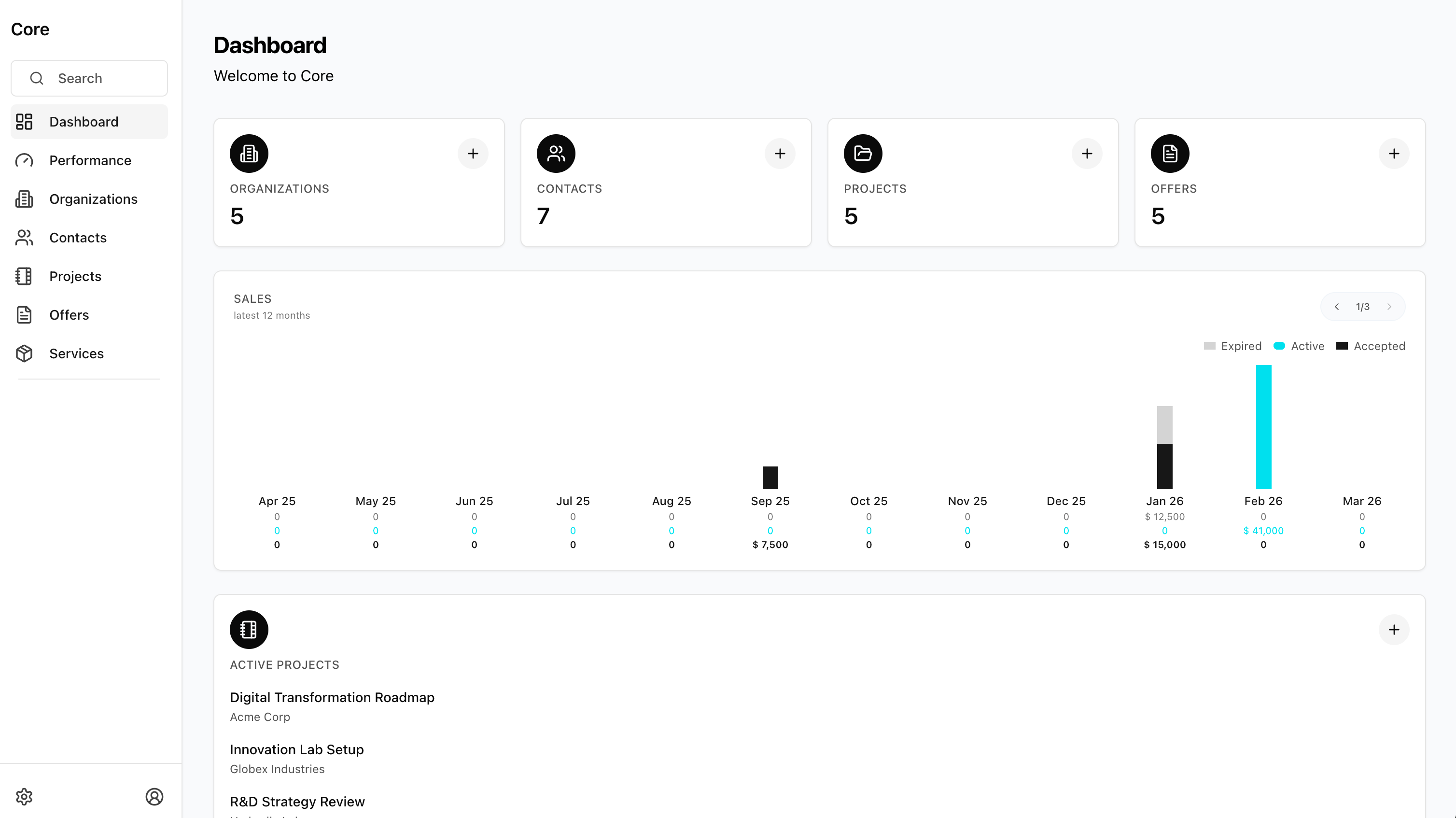
Core-OSS: A minimalist, extensible CRM (NextJS/Supabase), designed to be extended with Claude Code. Lots of people have asked me about the CRM tool I’ve been working on for the past year or so. In the interest of helping more people build their own apps, this codebase allows you to build your own relational database app around a hackable base. I already have a couple of friends starting to use it, but please reach out if you fork it and have questions.
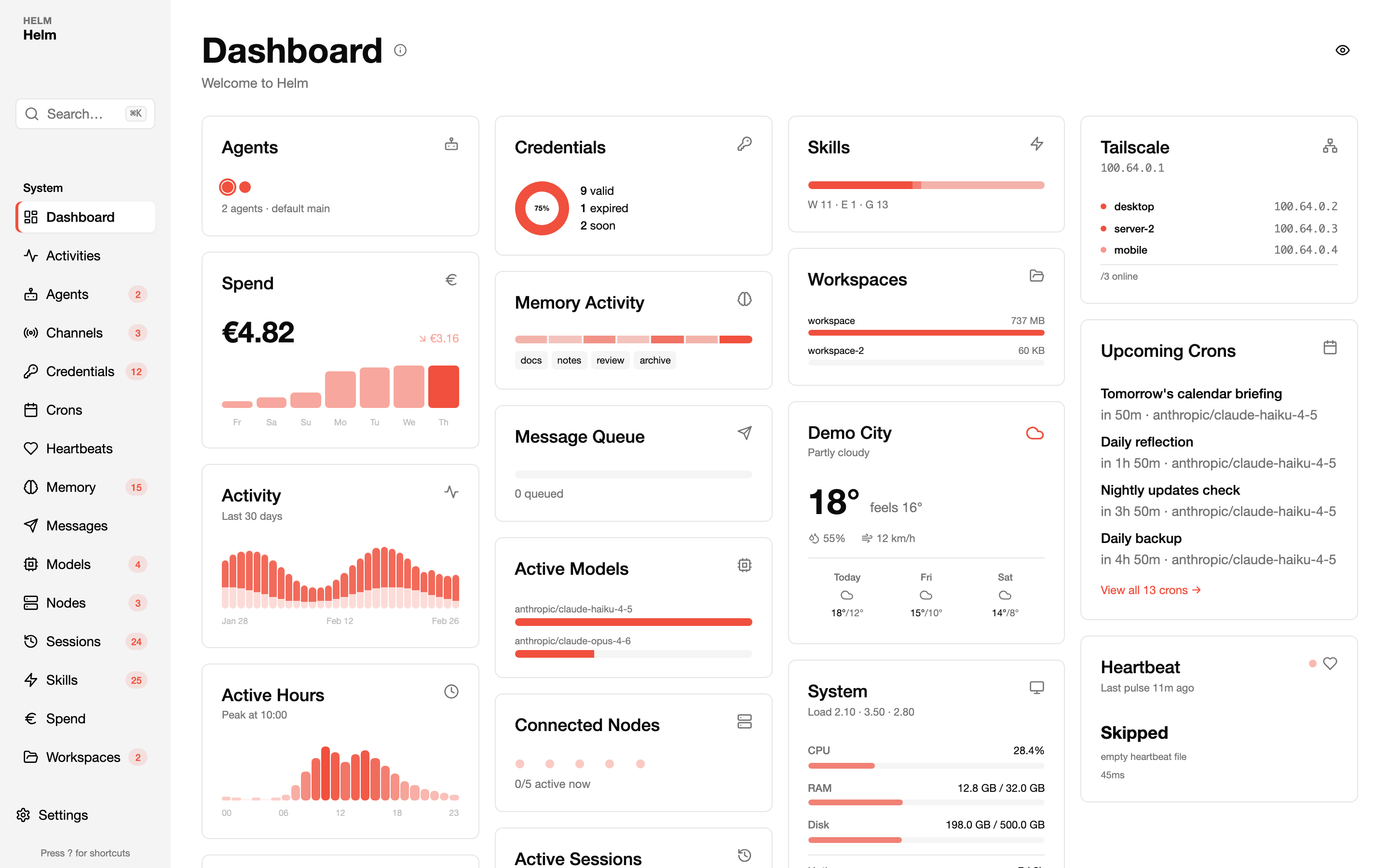
Helm: An observability dashboard for OpenClaw (TypeScript). I have spent a couple of hours every few days rigging a Mac mini M4 to run OpenClaw, with various skills, credentials and other functions particular to this type of system. Helm is a simple web app that reads local OpenClaw data and displays it at a glance. I even created a skill which reads @OpenClaw on Twitter daily, looking for new functions and offering to integrate them into the app.
Each of these apps solves a personal itch of mine. Maybe some of it resonates with you.
Despite not having typed a single line of code myself, the process has taught me more about the underlying technologies than you can imagine. Some people consider vibe coding pejorative, but I’m embracing it.
I also recently launched my first iOS App Store app: Starpath.
Six years ago, when diving into Astrology and how the classical planets traverse the Zodiac, I had an idea for a way of abstractly visualizing the position of each planet in relation to the Sun, as a form of “slow information design”, something that despite being real-time, wouldn’t cause a feeling of overwhelm. I drafted a static mockup image and roughly laid out how I thought the different elements could work together.
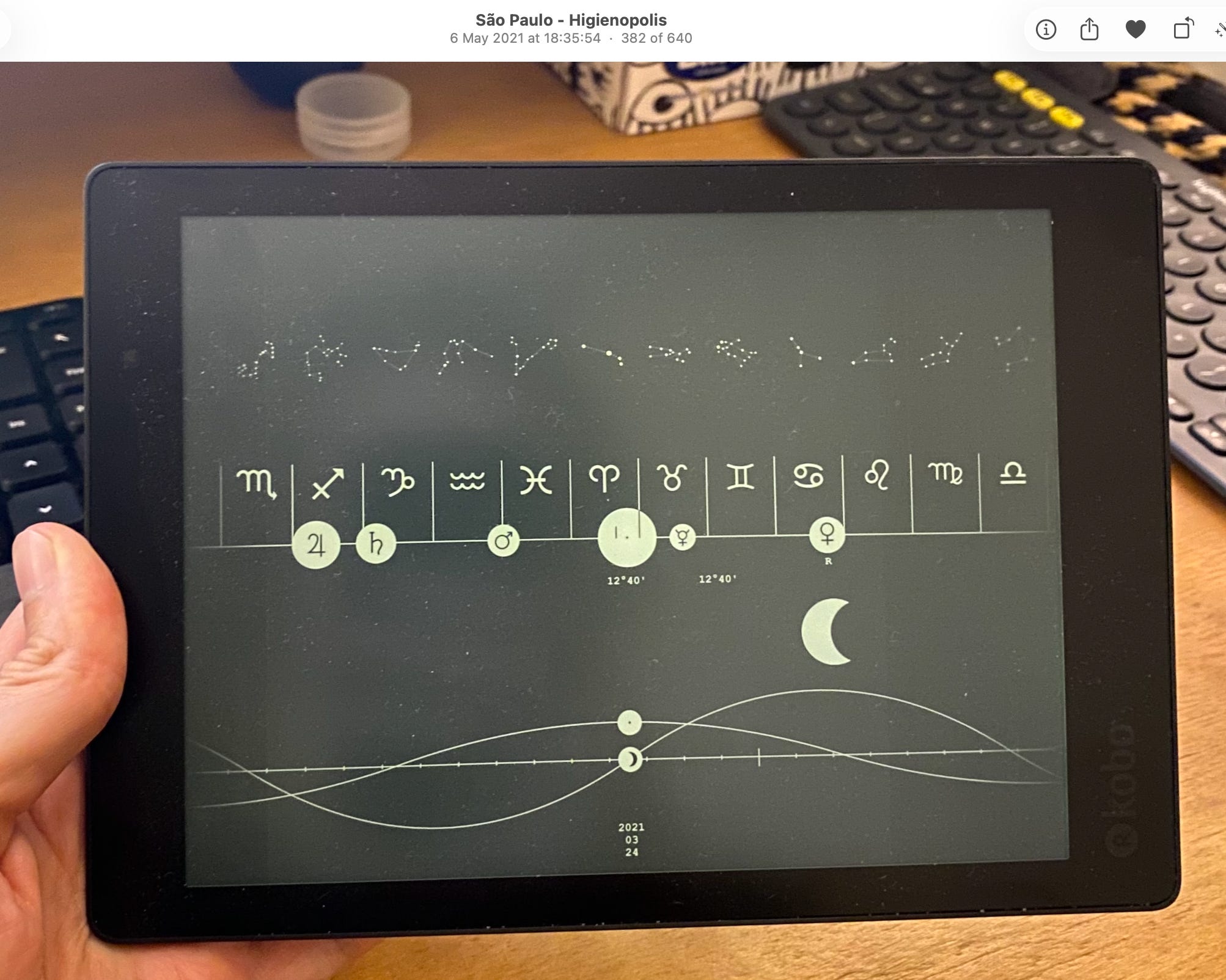
Fast foward to a few weeks ago, I decided to revive the project into a working app.

The whole development process took one weekend - on Saturday I built a complete web version of the app and on Sunday I refactored it in SwiftUI, all in Claude Code with surprising ease.
The app is incredibly niche, but it solves the problem of ‘slow design’ perfectly. Kind of like knowing the quality of my sleep as a score, interfaces like these help me better understand the underlying data, regardless of personal belief or attributing meaning.
Until next week,
MZ

The current thing:

OpenClaw agents run my home, finances and code (50 min)
Jesse Genet (homeschooling parent/entrepreneur) runs five specialized OpenClaw agents on dedicated Mac Minis—each with distinct roles: homeschool, finance, scheduling, development, and operations. Shows practical workflow: photographing curriculum books to generate lesson plans, building a custom kids’ TV app with a coding agent, and layering agents on top of an Obsidian “second brain.”
Amodei on CBS News (30 min)
Dario Amodei responds to Defense Secretary Hegseth declaring Anthropic a “supply chain risk.” Amodei calls the move “retaliatory and punitive” and explains why Anthropic drew “red lines” on government AI use—arguing crossing them is “contrary to American values.”
New ways of writing code (2h)
HashiCorp co-founder / Ghostty creator Mitchell Hashimoto on how AI agents have “completely changed” his day-to-day workflow. Covers his journey into infrastructure engineering, building open-source businesses, working with cloud providers, and his current AI-augmented development process.
Data vs Hype: How Orgs Actually Win with AI (30 min)
Useful counterweight to narrative inflation: real advantage comes from implementation discipline, not model fandom.
If Artificial Insights makes sense to you, please help us out by:
📧 Subscribing to the weekly newsletter on Substack.
💬 Joining our WhatsApp group.
📥 Following the weekly newsletter on LinkedIn.
🦄 Sharing the newsletter on your socials.
Artificial Insights is written by Michell Zappa, CEO and founder of Envisioning, a technology research institute.