
How do you introduce an agent into your life?
What does it mean to authorize a computer to integrate with your entire digital life, to start helping you get things done?
I am a few days into setting up OpenClaw as an assistant for all possible aspects of my personal and professional life, and have been plenty impressed by its capabilities as well as the technical requirements needed from its owner.
My implementation method, a dedicated Mac mini with access to sandboxed user accounts, takes an astounding amount of patience in setting up. No two integrations are quite the same, meaning you spend an inordinate amount of time generating and saving private keys from countless different services so that the “central intelligence” can manipulate interactions between your tools with some degree of autonomy. When it works, it’s awesome. The failure modes can be varied, and I’m most impressed by its capacity for managing memory and interacting around different levels of abstraction.
For example, OpenClaw already:
Sends me a morning briefing about today’s meetings, including context about participants from our email history and Granola notes. It knows to ignore standing meetings and performs the summarization on local compute (so it stays reasonably private).
Checks my email inbox for new messages containing actionable items, create a task in my to-do list containing a pre-written draft response for the email, having looked at my Granola notes for that contact.
Reviews my Oura data and sends me a morning message about my stats.
Scrapes my Twitter for interesting links.
Takes this very Substack newsletter after publication, downloads its content and images and prepares a draft in LinkedIn.
Motivates me to hit the gym, from having a dedicated chat for sharing my training log.
None of these are done flawlessly, and as with all things AI, training skills takes patience and fine-tuning.
Skills I’m experimenting with:
Reading our community WhatsApp messages to aggregate links and memes for the newsletter.
Becoming our CFO by accessing our company books and CMO by accessing our analytics data.
Replacing my daily Duolingo French with a dedicated, proactive chat 🐈⬛.
So what does it mean to authorize an agent into your life?
A few days in, it feels less like flipping a switch and more like onboarding a new coworker. One who’s eager but needs constant guidance on what actually matters.
The question isn’t whether agents are perfect today. It’s whether you believe in the long-term growth opportunity of having a coworker who never forgets, never sleeps, and gets a little bit better at helping you every single day.
MZ
Coding for non Coders
Last week we held another fascinating Vibe Coding meetup at Embassy of the Free Mind in Amsterdam. Dozens of participants, most of whom had never coded before, each learned something new and managed to build personal prototypes and experiments.
One thing I noticed missing is a vocabulary of concepts every developer needs to know, from newbies to seasoned coders. With plenty of AI help, I built a vibe coding starter pack which might be of interest. Make sure to toggle the different skill levels.
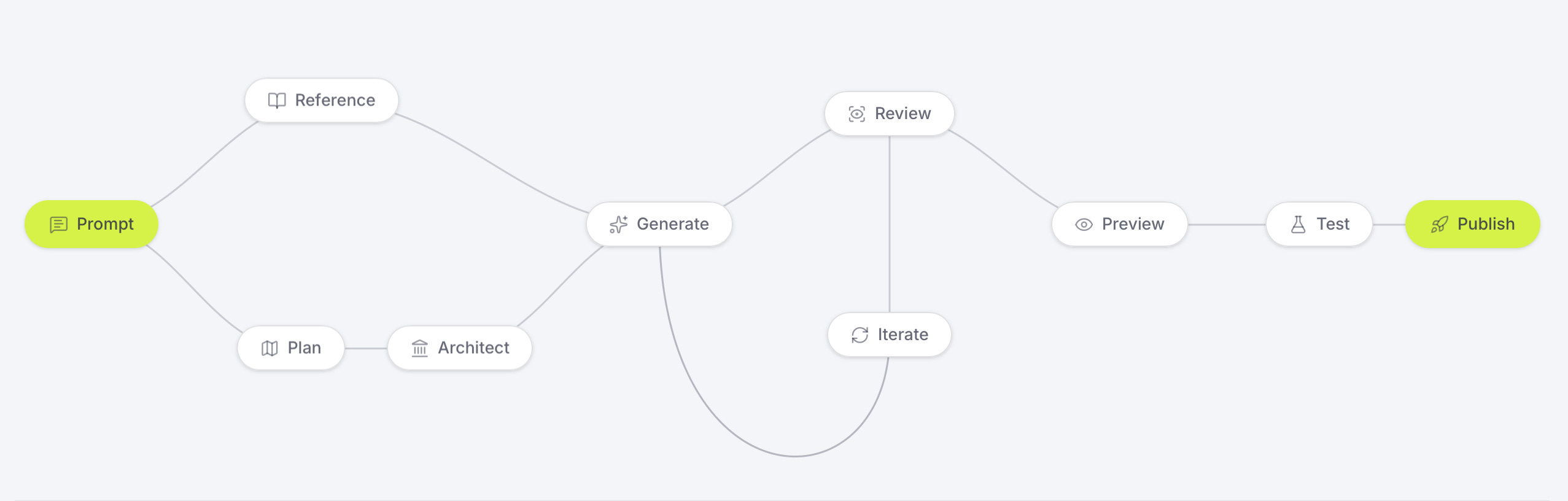
The Singularity Was an Optical Illusion (16min)
This year’s major AI conference offered a snapshot of how quickly the center of gravity in the field is shifting.
“We’re in the foothills of the singularity”
What AI Reveals About Human Thinking (26 min)
Across current AI discussions, a recurring concern is emerging: how human thinking and education change when machines can solve previously unsolved problems. We need more of this:
Using AI to do your writing homework in school is like saying, ‘I’m not going to run a mile for exercise. I’m going to drive my car one mile for exercise.
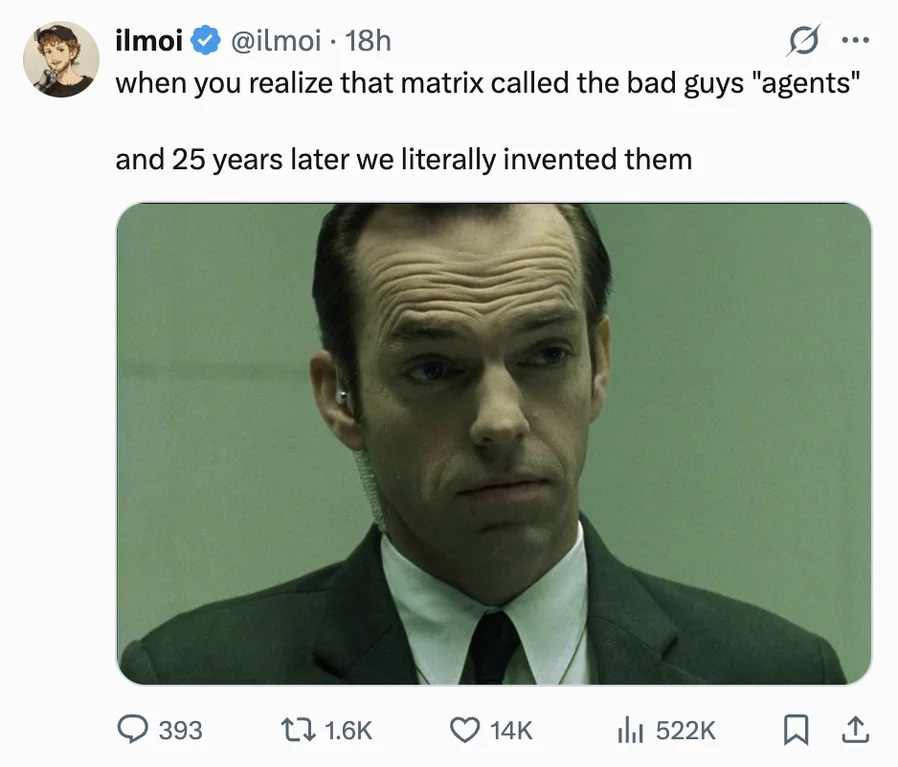
Agents On Your Desktop (22 min)
A high-signal conversation with OpenClaw creator Peter Steinberger on what changes when AI agents can directly act on a user’s machine:

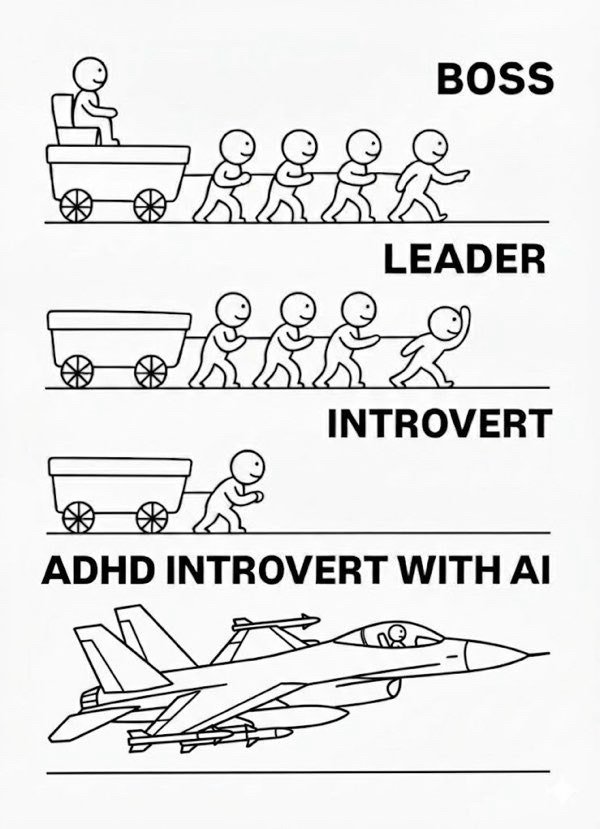
Envisioning Research
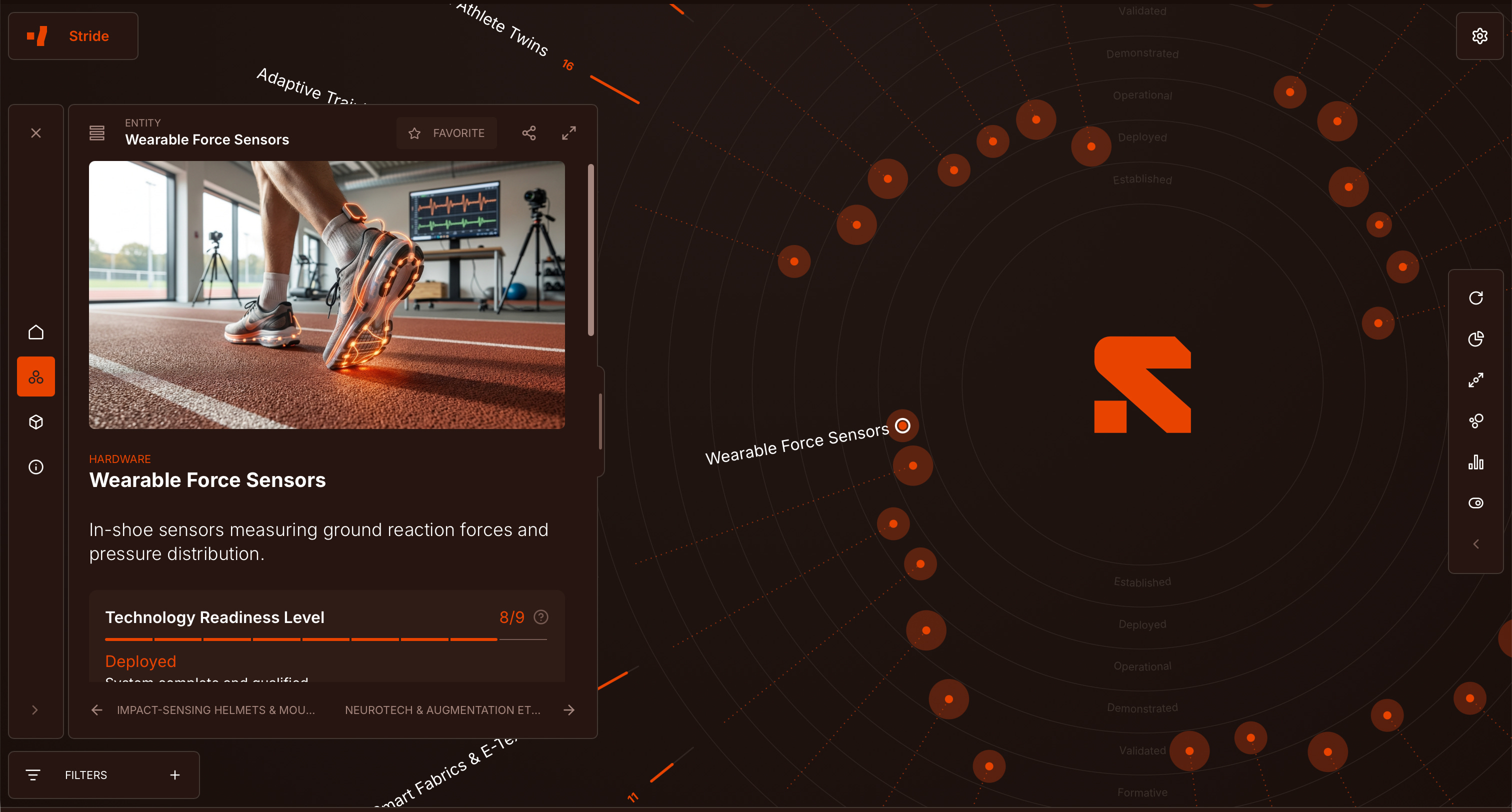
We have been experimenting with autonomous processes for creating high-quality research around emerging technologies across different industries and fields. In honor the Winter Olympics, here is Stride, our content hub on sports technology and performance systems. As someone who’s not a specialist, I’m impressed with the amount of interesting technologies in this research, like exoskeletons and instrumented rackets. Share it with friends in the sports world.
If Artificial Insights makes sense to you, please help us out by:
📧 Subscribing to the weekly newsletter on Substack.
💬 Joining our WhatsApp group.
📥 Following the weekly newsletter on LinkedIn.
🦄 Sharing the newsletter on your socials.
Artificial Insights is written by Michell Zappa, CEO and founder of Envisioning, a technology research institute.